Physical Address
304 North Cardinal St.
Dorchester Center, MA 02124
Physical Address
304 North Cardinal St.
Dorchester Center, MA 02124

Are you looking for an efficient and effective way to shed unwanted pounds? Look no further than High-Intensity Interval Training, or HIIT. This dynamic workout style has taken the fitness world by storm, and for good reason. HIIT workouts fat loss is a phrase you’ll hear frequently in discussions about effective exercise regimes, and this blog post will delve into why that is. We’ll explore the science behind HIIT, provide sample workouts, and offer tips for maximizing your fat-burning potential.
HIIT involves short bursts of intense exercise alternated with periods of lower-intensity activity or complete rest. The “high-intensity” portion should push you to your maximum effort, while the “interval” provides brief recovery periods. This cyclical approach allows you to work harder for longer than you could sustain with continuous, moderate-intensity exercise. The beauty of HIIT workouts fat loss lies in their versatility; they can be adapted to various fitness levels and exercise modalities.
The effectiveness of HIIT stems from several physiological mechanisms. Firstly, it significantly elevates your heart rate and metabolic rate during the workout. Secondly, and perhaps more importantly, it creates an “afterburn” effect, officially known as Excess Post-exercise Oxygen Consumption (EPOC). EPOC means that your body continues to burn calories at a higher rate for hours after you finish exercising. This sustained calorie burn is a key factor in why HIIT workouts fat loss are so powerful.
Furthermore, HIIT has been shown to improve insulin sensitivity, reduce blood pressure, and increase VO2 max (your body’s ability to utilize oxygen). These benefits extend beyond weight loss, contributing to overall health and well-being. The increase in growth hormone production during and after HIIT workouts can also contribute to increased fat loss and muscle growth.
There are several compelling reasons to incorporate HIIT into your fitness routine:
Here are a few sample HIIT workouts you can try. Remember to adjust the intensity and duration to match your fitness level.
This workout requires no equipment and can be done anywhere.
This workout focuses on bodyweight exercises to build strength and burn calories.
This workout utilizes equipment for a more controlled HIIT experience.
To get the most out of your HIIT workouts fat loss efforts, consider these tips:
While HIIT is incredibly effective, it’s crucial to pair it with a healthy diet. Focus on consuming whole, unprocessed foods, including lean protein, complex carbohydrates, and healthy fats. Avoid sugary drinks and processed snacks. A calorie deficit is necessary for fat loss, so track your calorie intake and adjust accordingly. The power of HIIT workouts fat loss is amplified when combined with a well-structured nutrition plan.
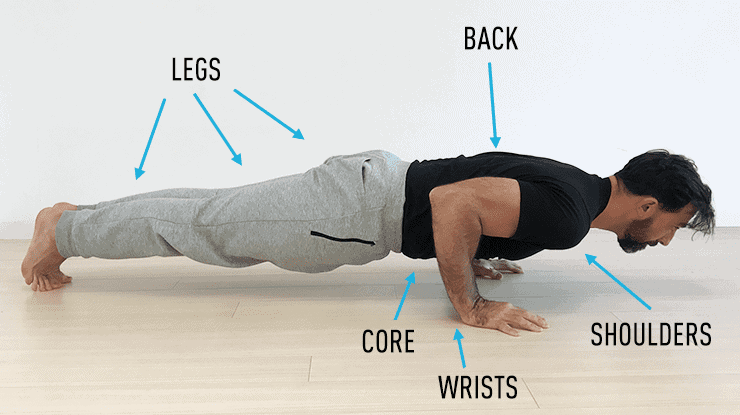
Maintaining proper form during HIIT exercises is crucial to prevent injuries. If you’re unsure about the correct form, consult with a certified personal trainer. Prioritize quality over quantity; it’s better to perform fewer repetitions with good form than to rush through the exercises with poor technique. Incorrect form will negate the potential benefits of HIIT workouts fat loss and could lead to long-term setbacks.
HIIT is demanding on your body, so it’s important to listen to your body and take rest days when needed. Overtraining can lead to fatigue, injuries, and decreased performance. Aim for 2-3 HIIT workouts per week, with adequate rest days in between. The effectiveness of HIIT workouts fat loss hinges on your ability to recover properly.
To continue seeing results, you need to progressively overload your body. This means gradually increasing the intensity, duration, or frequency of your workouts over time. For example, you could increase the length of the high-intensity intervals, decrease the rest periods, or add more rounds to your workout. Progressive overload is crucial for maximizing the potential of HIIT workouts fat loss.
One of the best things about HIIT is its adaptability. Whether you’re a beginner or an experienced athlete, you can modify the workouts to suit your fitness level.
If you’re new to HIIT, start with shorter intervals and longer rest periods. For example, you could try 20 seconds of high-intensity exercise followed by 40 seconds of rest. Choose exercises that are appropriate for your fitness level. Focus on mastering the form of each exercise before increasing the intensity or duration. Remember that even short bursts of intense activity can contribute to HIIT workouts fat loss for beginners.
If you’re already in good shape, you can increase the intensity and duration of your HIIT workouts. Try using shorter rest periods, longer high-intensity intervals, or more challenging exercises. You can also incorporate weighted exercises to further challenge your muscles. Experiment with different HIIT protocols to find what works best for you. For experienced exercisers, HIIT workouts fat loss can be optimized through advanced techniques like Tabata training or pyramid intervals.
Never skip your warm-up and cool-down! A proper warm-up prepares your body for the intense activity, reducing the risk of injuries. A cool-down helps your body gradually return to its resting state, preventing muscle soreness and promoting recovery.
Your warm-up should consist of light cardio and dynamic stretching. Examples include jogging in place, jumping jacks, arm circles, leg swings, and torso twists. Aim for a 5-10 minute warm-up before each HIIT workout.
Your cool-down should consist of static stretching. Hold each stretch for 30 seconds, focusing on the muscles you worked during the workout. Examples include hamstring stretches, quadriceps stretches, calf stretches, and chest stretches. Aim for a 5-10 minute cool-down after each HIIT workout.
To ensure you’re getting the most out of your HIIT workouts and avoiding injuries, be aware of these common mistakes:
To stay motivated and see how far you’ve come, it’s helpful to track your progress. You can use a fitness tracker, a journal, or a mobile app to monitor your workouts, weight, and body measurements. Celebrate your successes and learn from any setbacks. Monitoring progress is key to seeing the amazing potential of HIIT workouts fat loss.
High-Intensity Interval Training is a powerful and effective way to burn fat, improve your fitness, and enhance your overall health. By incorporating HIIT into your routine, paying attention to your nutrition, and listening to your body, you can unlock its full potential and achieve your weight loss goals. Remember to start slowly, progress gradually, and enjoy the process! The advantages of HIIT workouts fat loss are undeniable. So, are you ready to experience the transformative power of HIIT?