Physical Address
304 North Cardinal St.
Dorchester Center, MA 02124
Physical Address
304 North Cardinal St.
Dorchester Center, MA 02124

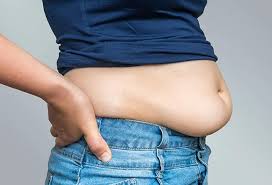
Belly fat, also known as visceral fat, is more than just an aesthetic concern. It’s a metabolically active type of fat that wraps around your abdominal organs and is linked to a higher risk of heart disease, type 2 diabetes, and other serious health problems. Many people struggle with how to lose belly fat, but understanding the science behind fat loss is key to achieving sustainable results. This comprehensive guide will explore science-backed methods that actually work to help you reduce belly fat and improve your overall health.
Before diving into strategies, it’s crucial to understand the difference between visceral and subcutaneous fat. Subcutaneous fat is the fat you can pinch under your skin, while visceral fat lies deep within your abdomen, surrounding your organs. Visceral fat is particularly dangerous because it releases hormones and inflammatory substances that contribute to chronic diseases. The key to a healthier life is knowing how to lose belly fat, and understanding its composition is the first step.
Visceral fat is metabolically active, meaning it releases hormones and inflammatory compounds into the bloodstream. These substances can lead to insulin resistance, increased blood pressure, and elevated levels of triglycerides. These are all risk factors for serious health issues. Therefore, understanding how to lose belly fat goes beyond just aesthetics; it’s about protecting your health.
Your diet plays a pivotal role in how to lose belly fat. Focusing on whole, unprocessed foods is essential. Here’s a breakdown of what to include and what to avoid:
Protein is crucial for weight management and belly fat reduction. It increases satiety, boosts metabolism, and helps preserve muscle mass during weight loss. Excellent sources include lean meats, poultry, fish, eggs, beans, lentils, and tofu.
Sugary drinks, processed snacks, and refined carbohydrates (like white bread and pasta) are major contributors to belly fat accumulation. These foods cause rapid spikes in blood sugar and insulin levels, promoting fat storage. Reducing your intake of these items is fundamental to how to lose belly fat.
Contrary to popular belief, healthy fats are essential for hormone production, nutrient absorption, and overall health. Incorporate sources like avocados, nuts, seeds, olive oil, and fatty fish (salmon, mackerel) into your diet.
Fiber, especially soluble fiber, helps you feel full, reduces cravings, and may decrease the absorption of calories from food. Good sources include fruits, vegetables, whole grains, and legumes. This can greatly influence how to lose belly fat.
Exercise is another cornerstone of how to lose belly fat. Both cardiovascular exercise and strength training are beneficial, but they work in different ways.
Cardio, such as running, swimming, or cycling, burns calories and improves cardiovascular health. Aim for at least 150 minutes of moderate-intensity or 75 minutes of vigorous-intensity cardio per week. Studies show that cardio is particularly effective at reducing visceral fat.
Strength training helps build muscle mass, which increases your metabolism and allows you to burn more calories even at rest. Focus on compound exercises that work multiple muscle groups, such as squats, deadlifts, and bench presses. Remember, building muscle helps with how to lose belly fat in the long run.
Adequate sleep is often overlooked, but it plays a crucial role in weight management and belly fat reduction. Lack of sleep can disrupt hormones that regulate appetite and metabolism, leading to increased cravings and fat storage. This directly impacts how to lose belly fat.
Sleep deprivation can increase levels of cortisol (the stress hormone) and ghrelin (the hunger hormone), while decreasing levels of leptin (the satiety hormone). This hormonal imbalance can lead to overeating and increased belly fat storage.
Prioritize getting 7-9 hours of quality sleep each night. Establish a regular sleep schedule, create a relaxing bedtime routine, and optimize your sleep environment (dark, quiet, and cool).
Chronic stress elevates cortisol levels, which can promote belly fat accumulation. Finding healthy ways to manage stress is essential for how to lose belly fat.
Effective stress management techniques include:
Drinking enough water is crucial for overall health and weight management. Water helps you feel full, boosts metabolism, and aids in digestion. While not a direct fat burner, it supports processes that contribute to how to lose belly fat.
Aim for at least 8 glasses (64 ounces) of water per day. You may need more if you’re active or live in a hot climate. Pay attention to your body’s thirst cues and drink throughout the day.
Studies show that drinking water can temporarily increase metabolism by up to 30%. This effect is likely due to the body having to expend energy to heat the water to body temperature.
Intermittent fasting (IF) is an eating pattern that involves cycling between periods of eating and fasting. While IF isn’t for everyone, it can be an effective strategy for how to lose belly fat for some individuals.
Common IF methods include:
IF may promote fat loss by reducing overall calorie intake, improving insulin sensitivity, and increasing growth hormone levels. However, it’s important to consult with a healthcare professional before starting IF, especially if you have any underlying health conditions.
Emerging research suggests that gut health plays a role in weight management and belly fat accumulation. Probiotics, which are beneficial bacteria, can improve gut health and potentially influence how to lose belly fat.
Certain strains of probiotics may reduce inflammation, improve insulin sensitivity, and promote the growth of beneficial gut bacteria that are associated with a leaner physique. However, more research is needed to confirm these effects.
You can increase your probiotic intake by consuming fermented foods like yogurt, kefir, sauerkraut, and kimchi, or by taking a probiotic supplement.
How to lose belly fat is not a quick fix. It requires patience, consistency, and a long-term commitment to healthy lifestyle habits. Don’t get discouraged if you don’t see results overnight. Focus on making sustainable changes that you can maintain over time. The goal is to create habits that will support your health and well-being for years to come.
Set realistic and achievable goals. Aim for slow and steady progress, rather than trying to lose weight too quickly. Rapid weight loss is often unsustainable and can lead to muscle loss and a slower metabolism.
Track your progress by monitoring your weight, waist circumference, and body fat percentage. Also, pay attention to how you feel – are you more energetic, sleeping better, and feeling less stressed? These non-scale victories are important indicators of progress.
If you’re struggling with how to lose belly fat despite making lifestyle changes, it’s important to consult with a healthcare professional. They can help identify any underlying medical conditions that may be contributing to your weight gain and provide personalized recommendations.
Certain medical conditions, such as hypothyroidism, polycystic ovary syndrome (PCOS), and Cushing’s syndrome, can lead to increased belly fat accumulation. Your doctor can screen for these conditions and recommend appropriate treatment.
A registered dietitian can provide personalized nutrition guidance and help you create a meal plan that supports your weight loss goals. They can also help you identify and address any dietary deficiencies.
Losing belly fat is a journey, not a destination. By adopting these science-backed strategies and making sustainable lifestyle changes, you can significantly reduce your belly fat and improve your overall health. Remember that how to lose belly fat is about more than just aesthetics; it’s about living a healthier, happier life.