Resistance bands are a fantastic, versatile, and affordable tool for achieving a full-body workout at home, in the gym, or even while traveling. They provide constant tension throughout the exercise, challenging your muscles in a different way compared to free weights. This comprehensive guide will take you through various resistance band exercises, tailored for all fitness levels, helping you build strength, improve flexibility, and achieve your fitness goals.
Why Choose Resistance Band Exercises?
Before diving into specific exercises, let’s explore the benefits of incorporating resistance band exercises into your routine. They offer a unique combination of advantages that make them a valuable addition to any fitness regimen.
Portability and Convenience
Resistance bands are lightweight and compact, making them incredibly easy to transport. You can stash them in your gym bag, suitcase, or even your purse, allowing you to workout practically anywhere. This makes them ideal for people with busy schedules or those who travel frequently.
Versatility and Adaptability
Resistance bands come in varying levels of resistance, allowing you to adjust the intensity of your workout based on your fitness level and goals. You can easily increase or decrease the resistance by choosing a different band or by adjusting the length of the band. This adaptability ensures that resistance band exercises remain challenging as you get stronger.
Affordability and Accessibility
Compared to expensive gym memberships or bulky home gym equipment, resistance bands are a cost-effective option for achieving a full-body workout. You can purchase a set of high-quality resistance bands for a fraction of the price of other fitness equipment, making them accessible to everyone.
Low Impact and Joint-Friendly
Resistance bands provide a low-impact workout, making them suitable for people of all ages and fitness levels, including those with joint pain or injuries. The constant tension provided by the bands helps to strengthen muscles without putting excessive stress on the joints.
Enhanced Muscle Activation
Resistance band exercises engage stabilizer muscles, which are often overlooked during traditional weight training. By activating these muscles, you can improve your balance, coordination, and overall stability. This leads to a more well-rounded and functional fitness level.
Essential Resistance Band Exercises for Beginners
If you’re new to resistance bands, it’s important to start with basic exercises and gradually increase the intensity as you get stronger. Here are a few essential resistance band exercises perfect for beginners:
Band Pull-Aparts
This exercise targets your upper back and shoulders, helping to improve posture and reduce upper back pain.
- Starting Position: Stand with your feet shoulder-width apart, holding the band with both hands, palms facing down. Keep your arms straight and the band in front of you.
- Movement: Slowly pull the band apart, squeezing your shoulder blades together. Keep your arms straight throughout the movement.
- Repetitions: 10-15 repetitions.
Banded Squats
This exercise strengthens your legs and glutes while providing added resistance compared to bodyweight squats.
- Starting Position: Place the resistance band around your thighs, just above your knees. Stand with your feet shoulder-width apart.
- Movement: Lower your body into a squat position, keeping your back straight and your core engaged. Push your knees out against the resistance of the band.
- Repetitions: 10-15 repetitions.
Banded Glute Bridges
This exercise isolates your glutes, helping to build strength and improve hip extension.
- Starting Position: Lie on your back with your knees bent and your feet flat on the floor. Place the resistance band around your thighs, just above your knees.
- Movement: Squeeze your glutes and lift your hips off the floor, creating a straight line from your knees to your shoulders. Hold for a second at the top, then slowly lower back down.
- Repetitions: 10-15 repetitions.
Banded Bicep Curls
This exercise targets your biceps, helping to build arm strength and definition.
- Starting Position: Stand with your feet shoulder-width apart, stepping on the resistance band with both feet. Hold the ends of the band with your hands, palms facing up.
- Movement: Curl the band up towards your shoulders, keeping your elbows close to your body. Slowly lower the band back down to the starting position.
- Repetitions: 10-15 repetitions.
Banded Rows
This exercise works your back muscles, improving posture and strength.
- Starting Position: Sit on the floor with your legs extended in front of you. Place the resistance band around your feet, holding the ends of the band with your hands. Keep your back straight and your core engaged.
- Movement: Pull the band towards your chest, squeezing your shoulder blades together. Keep your elbows close to your body. Slowly release back to the starting position.
- Repetitions: 10-15 repetitions.
Intermediate Resistance Band Exercises for a Full Body Burn
Once you’ve mastered the basic exercises, you can progress to more challenging resistance band exercises that target multiple muscle groups and increase the intensity of your workout.
Lateral Walks with Band
This exercise strengthens your glutes and outer thighs, improving hip stability.
- Starting Position: Place the resistance band around your ankles. Stand with your feet shoulder-width apart, knees slightly bent.
- Movement: Step laterally to the side, keeping tension on the band. Take small, controlled steps. After a set number of steps, switch directions.
- Repetitions: 10-15 steps in each direction.
Standing Chest Press with Band
This exercise strengthens your chest, shoulders, and triceps, mimicking a bench press.
- Starting Position: Secure the resistance band behind you at chest height. Hold the ends of the band with your hands, palms facing forward. Stand with your feet shoulder-width apart.
- Movement: Press the band forward, extending your arms straight out in front of you. Squeeze your chest muscles at the top of the movement. Slowly return to the starting position.
- Repetitions: 10-15 repetitions.
Banded Deadlifts
This exercise works your entire posterior chain, including your glutes, hamstrings, and lower back.
- Starting Position: Stand on the resistance band with your feet hip-width apart. Hinge at your hips, keeping your back straight, and reach down to grab the ends of the band.
- Movement: Keeping your back straight, stand up by driving through your heels and squeezing your glutes. Slowly lower back down to the starting position.
- Repetitions: 10-15 repetitions.
Overhead Press with Band
This exercise targets your shoulders and upper back, improving posture and strength.
- Starting Position: Stand on the resistance band with your feet shoulder-width apart. Hold the ends of the band with your hands, palms facing forward.
- Movement: Press the band overhead, extending your arms straight up. Slowly lower back down to the starting position.
- Repetitions: 10-15 repetitions.
Banded Bicycle Crunches
This exercise works your core, including your abs, obliques, and lower back.
- Starting Position: Lie on your back with your knees bent and your feet off the floor. Place the resistance band around your feet. Place your hands behind your head.
- Movement: Bring your right elbow towards your left knee while extending your right leg. Alternate sides, bringing your left elbow towards your right knee while extending your left leg.
- Repetitions: 10-15 repetitions per side.
Advanced Resistance Band Exercises for Experienced Fitness Enthusiasts
For those who are already experienced with resistance training, these advanced resistance band exercises will provide a challenging and effective workout.
Single Leg Deadlift with Band
This exercise improves balance, coordination, and hamstring strength.
- Starting Position: Stand on one leg with the resistance band under the foot of your standing leg. Hold the other end of the band in the opposite hand.
- Movement: Hinge at your hips, extending your free leg behind you for balance. Keep your back straight and your core engaged. Lower your torso until it’s parallel to the floor. Return to the starting position.
- Repetitions: 8-12 repetitions per leg.
Banded Pull-Ups (Assisted)
This exercise helps you work towards unassisted pull-ups by providing assistance from the resistance band.
- Starting Position: Loop the resistance band over a pull-up bar. Place one or both feet in the loop.
- Movement: Perform a pull-up, using the band for assistance. Focus on using your back and arm muscles to pull yourself up.
- Repetitions: As many repetitions as possible (AMRAP).
Plyometric Banded Push-Ups
This exercise builds explosive power in your chest, shoulders, and triceps.
- Starting Position: Place the resistance band across your upper back and hold the ends of the band under your hands. Assume a push-up position.
- Movement: Perform a push-up, explosively pushing yourself off the ground so that your hands leave the floor. Land softly and repeat.
- Repetitions: 6-10 repetitions.
Banded Romanian Deadlifts (RDLs)
This exercise emphasizes the hamstring stretch and glute activation.
- Starting Position: Stand on the resistance band with your feet hip-width apart. Hinge at your hips, keeping your back straight, and reach down to grab the ends of the band.
- Movement: Keeping your legs relatively straight (slight bend in the knees), lower the band towards the floor, feeling a stretch in your hamstrings. Keep your back straight and your core engaged. Return to the starting position.
- Repetitions: 10-15 repetitions.
Banded Good Mornings
This exercise strengthens the posterior chain and improves core stability.
- Starting Position: Place the resistance band across your upper back and shoulders. Stand with your feet shoulder-width apart.
- Movement: Hinge at your hips, keeping your back straight, and lower your torso forward. Keep your core engaged and your back straight. Return to the starting position.
- Repetitions: 10-15 repetitions.
Creating Your Own Resistance Band Workout Routine
Now that you have a variety of resistance band exercises to choose from, you can create your own workout routine tailored to your fitness goals. Here are some tips to help you get started:
Set Your Goals
What are you hoping to achieve with your resistance band workout? Are you looking to build strength, improve flexibility, lose weight, or simply stay active? Defining your goals will help you choose the right exercises and intensity for your routine.
Choose Your Exercises
Select exercises that target all major muscle groups, including your legs, glutes, back, chest, shoulders, arms, and core. Include a mix of compound exercises (those that work multiple muscle groups) and isolation exercises (those that target a single muscle group).
Determine Your Sets and Repetitions
The number of sets and repetitions you perform will depend on your fitness level and goals. As a general guideline, beginners should aim for 2-3 sets of 10-15 repetitions for each exercise. More advanced individuals can increase the number of sets and repetitions or choose a higher resistance band.
Plan Your Workout Schedule
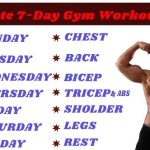
Consistency is key to achieving results. Aim to workout with resistance bands at least 2-3 times per week, allowing for adequate rest between workouts. You can choose to focus on specific muscle groups each day (e.g., legs on Monday, chest and triceps on Wednesday, back and biceps on Friday) or perform full-body workouts each time.
Progressive Overload
To continue seeing results, it’s important to progressively overload your muscles. This means gradually increasing the intensity of your workouts over time. You can do this by using a higher resistance band, increasing the number of sets and repetitions, or adding more challenging exercises.
Safety Tips for Resistance Band Exercises
While resistance bands are generally safe to use, it’s important to follow these safety tips to prevent injuries:
- Inspect Your Bands: Before each workout, inspect your resistance bands for any signs of wear and tear, such as cracks, tears, or holes. Replace damaged bands immediately.
- Secure the Bands Properly: Make sure that the bands are securely anchored before you start exercising. Avoid attaching them to sharp or unstable objects.
- Use Proper Form: Maintain proper form throughout each exercise to prevent injuries. If you’re unsure about proper form, consult with a fitness professional.
- Control the Movement: Avoid using momentum to swing the bands. Focus on controlling the movement and engaging your muscles.
- Start Slowly: If you’re new to resistance bands, start with a lighter resistance band and gradually increase the resistance as you get stronger.
- Listen to Your Body: Stop exercising if you experience any pain or discomfort.
Sample Resistance Band Workout Routines
Here are a few sample resistance band workout routines for different fitness levels:
Beginner Full Body Workout
- Band Pull-Aparts: 2 sets of 15 repetitions
- Banded Squats: 2 sets of 15 repetitions
- Banded Glute Bridges: 2 sets of 15 repetitions
- Banded Bicep Curls: 2 sets of 12 repetitions
- Banded Rows: 2 sets of 12 repetitions
Intermediate Full Body Workout
- Lateral Walks with Band: 3 sets of 15 steps in each direction
- Standing Chest Press with Band: 3 sets of 12 repetitions
- Banded Deadlifts: 3 sets of 10 repetitions
- Overhead Press with Band: 3 sets of 10 repetitions
- Banded Bicycle Crunches: 3 sets of 15 repetitions per side
Advanced Full Body Workout
- Single Leg Deadlift with Band: 3 sets of 10 repetitions per leg
- Banded Pull-Ups (Assisted): 3 sets of AMRAP
- Plyometric Banded Push-Ups: 3 sets of 8 repetitions
- Banded Romanian Deadlifts (RDLs): 3 sets of 12 repetitions
- Banded Good Mornings: 3 sets of 12 repetitions
Conclusion
Resistance band exercises are a versatile and effective way to achieve a full-body workout, regardless of your fitness level. With their portability, affordability, and adaptability, resistance bands are an excellent addition to any fitness routine. By following the guidelines in this comprehensive guide, you can create your own personalized resistance band workout routine and achieve your fitness goals safely and effectively. Remember to always prioritize proper form and listen to your body to prevent injuries. So, grab your resistance bands and get ready to experience the benefits of this amazing fitness tool!