How to Start Working Out at Home: A Complete Beginner’s Guide

Embarking on a fitness journey can feel daunting, especially if you’re unsure where to begin. The good news is you don’t need an expensive gym membership to achieve your fitness goals. Starting a home workout for beginners routine is a fantastic way to build strength, improve your health, and boost your confidence – all from the comfort of your own space. This guide will walk you through everything you need to know to get started safely and effectively.

Setting Realistic Goals for Your Home Workout

Before you even think about lifting a weight or doing a jumping jack, it’s crucial to establish realistic and achievable goals. These goals will serve as your compass, guiding you and keeping you motivated along the way. Vague goals like “get in shape” aren’t very helpful. Instead, aim for specific, measurable, achievable, relevant, and time-bound (SMART) goals.

Examples of SMART Goals

  • Specific: I want to be able to do 10 consecutive push-ups.
  • Measurable: I will work out for 30 minutes, 3 times a week.
  • Achievable: I will gradually increase the weight I lift each week by 1 pound.
  • Relevant: Improving my strength will help me with everyday tasks like carrying groceries.
  • Time-bound: I will achieve my goal within 8 weeks.

Starting slow is key, especially with a home workout for beginners. Don’t try to do too much too soon. Begin with smaller, more manageable goals, and gradually increase the intensity and duration of your workouts as you progress. Celebrate your successes, no matter how small, to stay motivated and build momentum.

Creating Your Home Workout Space

One of the biggest advantages of working out at home is the convenience. However, setting up a dedicated workout space can significantly enhance your experience and make it easier to stick to your routine. You don’t need a massive gym, but a designated area will help you stay focused and organized.

Essential Elements of a Home Workout Space

  • Sufficient Space: Clear enough space to move around freely without bumping into furniture. A space about the size of a yoga mat is a good starting point.
  • Good Lighting: Adequate lighting to ensure you can see clearly and avoid tripping or other accidents.
  • Proper Ventilation: Ensure the area is well-ventilated to prevent overheating and promote airflow. Open a window or use a fan.
  • A Mirror (Optional): A mirror can be helpful for checking your form and ensuring you’re performing exercises correctly.
  • Storage: A designated space to store your equipment, such as weights, resistance bands, and yoga mat.

Consider the noise level as well, especially if you live with others. If you plan on using workout videos, ensure you have a good sound system or headphones. Remember that even a small corner can be transformed into an effective home workout for beginners zone.

Gathering the Right Equipment (or Lack Thereof)

One of the best things about a home workout for beginners is that you don’t need a lot of expensive equipment to get started. In fact, you can achieve a full-body workout using just your body weight. However, a few basic items can enhance your workouts and provide more variety.

Essential Equipment for a Basic Home Workout

  • Yoga Mat: Provides cushioning and support for floor exercises.
  • Resistance Bands: Versatile and affordable, resistance bands can be used to add intensity to various exercises.
  • Dumbbells (Optional): If you’re looking to build strength, a set of dumbbells can be a great investment. Start with lighter weights and gradually increase the weight as you get stronger.
  • Workout Clothes: Comfortable and breathable clothing that allows for a full range of motion.
  • Water Bottle: Staying hydrated is crucial during any workout.

You can always add more equipment as you progress and discover what works best for you. Remember, the most important thing is to start with what you have and gradually build up your collection as needed. There are tons of effective home workout for beginners exercises that require zero equipment.

Warming Up Properly: Preparing Your Body

Never skip your warm-up! Warming up is essential for preparing your body for exercise, preventing injuries, and improving performance. A good warm-up should gradually increase your heart rate, loosen your joints, and prepare your muscles for the upcoming workout.

Effective Warm-Up Exercises

  • Cardio: Light cardio, such as jogging in place, jumping jacks, or high knees, for 5-10 minutes.
  • Dynamic Stretching: Dynamic stretches involve movement and help to improve range of motion. Examples include arm circles, leg swings, and torso twists.
  • Joint Mobilization: Focus on mobilizing your joints with exercises like ankle rotations, wrist rotations, and shoulder rotations.

A proper warm-up is especially important for a home workout for beginners, as you may be working out in a cooler environment than a gym. Aim for at least 10 minutes of warm-up before each workout session.

Designing Your First Home Workout Routine

Now for the fun part: designing your first home workout for beginners routine! When creating your routine, focus on compound exercises that work multiple muscle groups simultaneously. This will help you maximize your time and get the most out of your workouts.

Sample Full-Body Home Workout Routine

Perform each exercise for 30 seconds, followed by 15 seconds of rest. Repeat the entire circuit 2-3 times.

  • Squats: Stand with your feet shoulder-width apart and lower your body as if you’re sitting in a chair.
  • Push-ups: Start in a plank position and lower your body until your chest touches the ground. Push back up to the starting position. If regular push-ups are too difficult, try doing them on your knees.
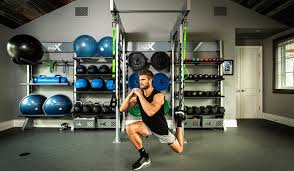
  • Lunges: Step forward with one leg and lower your body until both knees are bent at 90 degrees. Repeat on the other side.
  • Plank: Hold a plank position, engaging your core muscles, for as long as you can maintain good form.
  • Glute Bridges: Lie on your back with your knees bent and feet flat on the floor. Lift your hips off the ground, squeezing your glutes at the top.

Remember to listen to your body and adjust the routine as needed. Don’t be afraid to modify exercises or take breaks when you need them. A good home workout for beginners routine should be challenging but not overwhelming.

Cooling Down and Stretching: Recovering Properly

Just as important as warming up is cooling down and stretching after your workout. Cooling down helps to gradually lower your heart rate and prevent muscle soreness, while stretching improves flexibility and range of motion.

Effective Cool-Down Exercises

  • Light Cardio: Gentle cardio, such as walking around your house, for 5-10 minutes.
  • Static Stretching: Static stretches involve holding a stretch for 30-60 seconds. Examples include hamstring stretches, quadriceps stretches, and calf stretches.
  • Deep Breathing: Focus on taking slow, deep breaths to help relax your body and mind.

Don’t skip your cool-down and stretching routine! It’s an essential part of any home workout for beginners and will help you recover faster and prevent injuries.

Staying Hydrated and Nourished

Proper hydration and nutrition are crucial for supporting your fitness goals. Water helps regulate body temperature, transport nutrients, and lubricate joints. A balanced diet provides the energy and nutrients your body needs to recover and rebuild muscle tissue.

Tips for Staying Hydrated and Nourished

  • Drink Plenty of Water: Aim for at least 8 glasses of water per day, and drink more if you’re exercising intensely.
  • Eat a Balanced Diet: Focus on consuming whole, unprocessed foods, including fruits, vegetables, lean protein, and whole grains.
  • Fuel Your Workouts: Eat a small snack before your workout to provide energy, such as a banana or a handful of nuts.
  • Recover Properly: Eat a protein-rich meal or snack after your workout to help repair muscle tissue.

Remember that nutrition is just as important as exercise. A healthy diet will complement your home workout for beginners routine and help you achieve your fitness goals faster.

Tracking Your Progress and Staying Motivated

Tracking your progress is essential for staying motivated and ensuring you’re on track to achieve your goals. There are several ways to track your progress, including keeping a workout journal, using a fitness app, or taking progress photos.

Tips for Tracking Your Progress and Staying Motivated

  • Keep a Workout Journal: Record the exercises you perform, the weight you lift, and the number of repetitions you complete.
  • Use a Fitness App: There are many fitness apps available that can help you track your workouts, set goals, and monitor your progress.
  • Take Progress Photos: Taking progress photos can be a great way to visually track your progress and see how far you’ve come.
  • Reward Yourself: Celebrate your successes, no matter how small, to stay motivated and build momentum.
  • Find a Workout Buddy: Working out with a friend can help you stay accountable and motivated.

Consistency is key when it comes to fitness. Even if you only have 15-20 minutes to spare, try to squeeze in a quick home workout for beginners. Every little bit counts!

Listening to Your Body and Avoiding Injuries

One of the most important things to remember when starting a home workout for beginners is to listen to your body. Pay attention to any pain or discomfort you may be experiencing and don’t push yourself too hard, especially in the beginning. If you experience any sharp or persistent pain, stop the exercise immediately and consult with a healthcare professional.

Tips for Avoiding Injuries

  • Proper Form: Focus on maintaining proper form throughout each exercise to prevent injuries. Watch videos and use a mirror to check your form.
  • Progress Gradually: Gradually increase the intensity and duration of your workouts as you get stronger. Don’t try to do too much too soon.
  • Rest and Recovery: Allow your body adequate rest and recovery time between workouts. Overtraining can lead to injuries.
  • Listen to Your Body: Pay attention to any pain or discomfort you may be experiencing and don’t push yourself too hard.
  • Warm-up and Cool-down: Always warm-up before your workouts and cool-down afterwards to prepare your body for exercise and prevent muscle soreness.

Remember, consistency is more important than intensity. A safe and effective home workout for beginners is one that you can sustain over time.

Making it a Habit: Incorporating Fitness Into Your Daily Life

The key to long-term success is making fitness a habit. Incorporating your home workout for beginners into your daily routine will make it easier to stick to your goals and maintain a healthy lifestyle. Find ways to make exercise enjoyable and convenient, and it will become a natural part of your day.

Tips for Making Fitness a Habit

  • Schedule Your Workouts: Treat your workouts like important appointments and schedule them into your calendar.
  • Find a Time That Works for You: Choose a time of day when you’re most likely to be able to stick to your workout routine.
  • Make it Convenient: Set up your workout space and equipment in advance to make it easier to get started.
  • Find Activities You Enjoy: Experiment with different types of workouts to find activities you enjoy and look forward to.
  • Don’t Give Up: There will be days when you don’t feel like working out, but don’t give up. Just keep showing up and doing your best.

Starting a home workout for beginners is a journey, not a destination. Be patient with yourself, celebrate your successes, and enjoy the process of becoming healthier and stronger. With consistency and dedication, you can achieve your fitness goals and transform your life from the comfort of your own home.