Physical Address
304 North Cardinal St.
Dorchester Center, MA 02124
Physical Address
304 North Cardinal St.
Dorchester Center, MA 02124
Are you looking to build muscle but don’t have access to a gym or expensive equipment? The good news is that achieving a sculpted physique is entirely possible with bodyweight muscle building. Forget the iron; your own bodyweight can be a powerful tool for transforming your physique. This guide will explore a range of effective bodyweight exercises and strategies to help you achieve significant muscle growth, proving that bodyweight muscle building is a viable and effective alternative.
Many people mistakenly believe that you need heavy weights to stimulate muscle growth (hypertrophy). While resistance training is crucial, the resistance itself doesn’t necessarily need to come from external weights. The principle behind muscle growth is progressive overload, meaning you gradually increase the demands placed on your muscles over time. With bodyweight exercises, you can achieve progressive overload through various methods, making bodyweight muscle building a realistic goal.
Progressive overload in bodyweight muscle building isn’t just about doing more reps. It involves manipulating several factors to continually challenge your muscles. Here are some effective strategies:
A well-rounded bodyweight muscle building program should target all major muscle groups. Here’s a breakdown of effective exercises for each area:
The push-up is a cornerstone of bodyweight muscle building, targeting the chest, shoulders, and triceps. Pull-ups are essential for building back and biceps strength, while dips primarily target the triceps and chest. These exercises are foundational and can be modified to increase or decrease difficulty.
Squats are the king of lower body exercises, targeting the quads, glutes, and hamstrings. Lunges are excellent for developing unilateral strength and improving balance. Calf raises isolate the calf muscles. These are crucial components of any bodyweight muscle building plan.
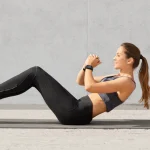
A strong core is essential for overall stability and performance. Planks engage the entire core, while crunches target the abdominal muscles. Leg raises work the lower abs and hip flexors. These contribute significantly to overall strength and aesthetics in bodyweight muscle building.
Here’s a sample full-body bodyweight workout routine you can follow three times per week. Remember to adjust the repetitions and sets based on your fitness level. Rest for 60-90 seconds between sets.
Exercise is only one part of the equation. Nutrition plays a crucial role in bodyweight muscle building. To build muscle, you need to consume enough protein and calories.
Aim for 0.8-1 gram of protein per pound of body weight per day. Good sources of protein include lean meats, poultry, fish, eggs, dairy products, beans, lentils, and tofu.
To build muscle, you need to consume slightly more calories than you burn. A surplus of 250-500 calories per day is generally recommended. Track your calorie intake to ensure you’re eating enough.
Don’t neglect carbohydrates and fats. Carbohydrates provide energy for your workouts, while fats are essential for hormone production. Choose complex carbohydrates like whole grains, fruits, and vegetables, and healthy fats like avocados, nuts, and olive oil.
Muscle growth occurs during rest, not during exercise. Make sure you get enough sleep (7-9 hours per night) and allow your muscles to recover between workouts. Overtraining can hinder progress and increase the risk of injury. Adequate rest is absolutely critical for successful bodyweight muscle building.
On your rest days, engage in light activities like walking, yoga, or stretching to promote blood flow and reduce muscle soreness. Avoid intense workouts on rest days.
Once you’ve mastered the basics, you can incorporate advanced techniques to further challenge your muscles and stimulate growth. This is where bodyweight muscle building really starts to shine, as you can continuously adapt and progress.
Plyometric exercises involve explosive movements like jump squats, burpees, and plyometric push-ups. These exercises increase power and explosiveness and can contribute to muscle growth.
Isometric exercises involve holding a muscle contraction for a prolonged period. For example, you could hold a squat at the bottom position for 30-60 seconds. This increases time under tension and can promote muscle growth.
Supersets involve performing two exercises back-to-back with minimal rest. Circuits involve performing a series of exercises in a row with minimal rest. These techniques increase workout intensity and can improve muscle endurance and growth.
While bodyweight muscle building is effective, you may encounter some challenges. Here’s how to address them:
As you get stronger, bodyweight exercises may become too easy. This is where progressive overload techniques become crucial. Focus on increasing repetitions, sets, slowing down tempo, and progressing to more challenging variations.
Some bodyweight exercises, like pull-ups, require access to equipment. If you don’t have a pull-up bar, you can use a sturdy tree branch or invest in a portable pull-up bar.
Staying motivated and consistent is essential for achieving results. Set realistic goals, track your progress, and find a workout buddy to stay accountable. Bodyweight muscle building requires dedication and consistency to see results.
Monitoring your progress is crucial for staying motivated and ensuring you’re on track. Here are some ways to track your progress in bodyweight muscle building:
In conclusion, bodyweight muscle building is a highly effective method for achieving significant muscle growth without the need for expensive equipment or gym memberships. By understanding the principles of progressive overload, utilizing a well-rounded workout routine, optimizing your nutrition, prioritizing rest and recovery, and tracking your progress, you can unlock your potential and transform your physique using just your bodyweight. Remember that consistency and dedication are key to success. Start today and witness the amazing results you can achieve!