Physical Address
304 North Cardinal St.
Dorchester Center, MA 02124
Physical Address
304 North Cardinal St.
Dorchester Center, MA 02124

Did you know that only 23% of Americans get enough exercise according to the CDC? If you’re reading this, you’re already ahead of the curve! Starting a fitness journey can feel overwhelming – I get it. Between conflicting advice online, intimidating gym environments, and not knowing where to begin, many people give up before they even start. But here’s the truth: every fitness expert was once a beginner too. Whether you’re 25 or 65, whether you’ve never set foot in a gym or you’re returning after years away, this guide will give you everything you need to start your fitness journey with confidence. No complicated routines, no expensive equipment required – just practical, science-backed advice that actually works.
Before diving into workouts and meal plans, let’s establish what fitness really means. Fitness isn’t just about losing weight or looking good in photos – though those can be nice side effects! True fitness encompasses four key components that work together to create a healthy, functional body.
Cardiovascular health forms the foundation of your fitness journey. This involves strengthening your heart and lungs through activities that get your blood pumping. Simple walking, swimming, or dancing all count as cardio exercise. You don’t need to run marathons to improve your cardiovascular fitness.
Strength training builds muscle mass and bone density while boosting your metabolism. Many beginners worry that lifting weights will make them “bulky,” but this is one of the biggest fitness myths out there. Strength training actually helps create a lean, toned appearance while making everyday activities easier.
Flexibility and mobility work keeps your joints healthy and your body moving efficiently. This includes stretching, yoga, and movement patterns that maintain your range of motion. As we age, flexibility becomes increasingly important for injury prevention.
Balance and coordination round out the fitness fundamentals. These skills help prevent falls and improve your performance in all other activities. Simple exercises like standing on one foot or walking heel-to-toe can dramatically improve your balance over time.
The beauty of beginner fitness lies in its simplicity. You don’t need to master all four components immediately. Start with what feels manageable and gradually build from there. Your body will adapt and grow stronger with consistent, moderate effort.
Goal setting can make or break your fitness journey. I’ve seen too many beginners set themselves up for failure with unrealistic expectations like “lose 30 pounds in 30 days” or “work out for 2 hours every day.” These goals sound motivating but often lead to burnout and disappointment.
Instead, focus on SMART goals specifically designed for fitness beginners. SMART stands for Specific, Measurable, Achievable, Relevant, and Time-bound. A good beginner fitness goal might be: “I will walk for 20 minutes, 3 times per week for the next month.” This goal is specific (walking), measurable (20 minutes, 3 times weekly), achievable (doesn’t require special skills), relevant (improves cardiovascular health), and time-bound (one month).
Create both short-term milestones and long-term objectives. Short-term goals might include completing your first full workout or walking up a flight of stairs without getting winded. Long-term goals could involve running a 5K or performing your first push-up. These milestone moments will fuel your motivation and prove that your efforts are paying off.
Remember to track progress beyond just the scale. Weight fluctuates daily due to factors like hydration, sleep, and hormones. Instead, notice improvements in energy levels, sleep quality, mood, and physical capabilities. Take progress photos and body measurements monthly to see changes that the scale might not reflect.
The fitness world offers countless workout options, which can feel overwhelming for beginners. Let’s break down the most effective and accessible types of exercise for those just starting their fitness journey.
Bodyweight exercises represent the perfect starting point for home workouts. These movements use your own body weight as resistance, requiring no equipment while building real-world strength. Push-ups, squats, lunges, and planks form the foundation of any effective bodyweight routine. Start with modified versions – wall push-ups instead of floor push-ups, or chair-assisted squats – and progress as you get stronger.
Cardiovascular exercise doesn’t have to mean suffering on a treadmill. Walking remains one of the most underrated forms of cardio. It’s free, accessible, and incredibly effective for beginners. Swimming provides a full-body, low-impact workout that’s gentle on joints. Cycling, whether outdoors or on a stationary bike, builds leg strength while improving cardiovascular health.
Basic strength training can start with minimal equipment. A set of resistance bands costs less than $20 and provides variable resistance for dozens of exercises. Light dumbbells or even water bottles can serve as weights for beginner strength moves. Focus on learning proper form with lighter weights before progressing to heavier loads.
Flexibility and mobility work should complement your other exercises. Gentle yoga flows, basic stretching routines, and foam rolling help maintain joint health and reduce muscle tension. Even 10 minutes of stretching after your workout can significantly improve your recovery and flexibility over time.
The key to choosing your workout type lies in finding activities you genuinely enjoy. If you hate running, don’t force yourself to run. Dance, swim, hike, or play recreational sports instead. The best exercise is the one you’ll actually do consistently.
Home workouts offer convenience, privacy, and cost-effectiveness that make them perfect for beginners. You can start your fitness journey right now, in whatever space you have available, wearing whatever comfortable clothes you own.
A simple 10-minute beginner routine might include: 2 minutes of marching in place for warm-up, followed by 30 seconds each of modified push-ups, bodyweight squats, standing side bends, and marching in place with high knees. Repeat this circuit twice, then spend 2 minutes stretching. This routine works your entire body and can be done in a space as small as 6 feet by 6 feet.
Essential equipment for home workouts can be acquired for under $50. A yoga mat provides cushioning and defines your workout space. Resistance bands offer variable resistance for strength training. A set of light dumbbells (5-15 pounds) enables progression in your strength moves. A stability ball adds variety and challenges your core muscles.
Creating a dedicated workout space, even if it’s just a corner of your living room, helps establish the habit. Clear the area of distractions, ensure good ventilation, and keep your equipment easily accessible. The psychological impact of having a designated fitness space shouldn’t be underestimated.
Following along with beginner-friendly fitness apps and videos can provide structure and motivation. Apps like Nike Training Club, Seven, or FitOn offer free beginner routines with clear instructions. YouTube channels dedicated to beginner fitness provide endless variety without any subscription fees.
Safety remains paramount when exercising at home. Ensure adequate space around you to prevent injury. Start slowly and listen to your body’s signals. If something hurts (beyond normal muscle fatigue), stop immediately. Keep water nearby and don’t push through dizziness or chest pain.
Walking into a gym for the first time can feel intimidating, but remember that everyone there was once a beginner too. Most gym-goers are focused on their own workouts and happy to help if you need assistance.
Expect your first gym visit to involve a brief orientation tour. Staff will show you the location of locker rooms, emergency exits, and different equipment areas. Don’t be afraid to ask questions about how machines work or where to find specific equipment. Gym staff are there to help and want you to feel comfortable.
Essential gym etiquette helps everyone have a positive experience. Wipe down equipment after use with the provided sanitizing wipes. Rerack weights when you’re finished. Don’t monopolize equipment during busy times – allow others to “work in” between your sets. Keep phone conversations quiet and brief.
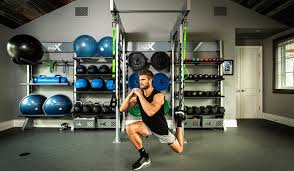
Basic gym equipment becomes less intimidating once you understand its purpose. Cardio machines like treadmills and ellipticals have simple start buttons and emergency stops. Strength machines often have instructional diagrams showing proper form and which muscles they target. Free weights require more technique but offer greater versatility.
A beginner-friendly gym workout might include 10 minutes on a cardio machine for warm-up, followed by 2-3 strength exercises using machines (which provide more stability than free weights), and 5-10 minutes of stretching in the designated area. Start with just 2-3 gym visits per week to allow your body time to adapt.
When choosing a gym membership, consider location, hours, cleanliness, and available amenities. A gym that’s convenient to your home or work is more likely to become part of your routine. Many gyms offer trial periods or day passes – take advantage of these to find the right fit.
Nutrition plays a crucial role in your fitness journey, but it doesn’t have to be complicated. Forget about restrictive diets or expensive supplements – focus on building sustainable eating habits that support your new active lifestyle.
Basic nutrition principles center around eating a variety of whole foods. Fill half your plate with vegetables and fruits, one quarter with lean protein sources like chicken, fish, beans, or tofu, and one quarter with whole grains or starchy vegetables. This simple approach provides the nutrients your body needs for energy and recovery.
Pre and post-workout nutrition can enhance your exercise performance and recovery. Before working out, eat a small snack combining carbohydrates and protein about 30-60 minutes prior. A banana with peanut butter or Greek yogurt with berries works perfectly. After exercising, aim to eat within 2 hours, focusing on protein to help muscle recovery and carbohydrates to replenish energy stores.
Hydration guidelines for active beginners are straightforward: drink water throughout the day, not just during workouts. Aim for pale yellow urine as a sign of adequate hydration. During exercise lasting less than an hour, water is sufficient. For longer activities, consider drinks with electrolytes.
Meal planning basics can save time and support your fitness goals. Spend 30 minutes each week planning meals and snacks. Prepare ingredients in advance – wash and chop vegetables, cook grains in batches, or prepare protein sources. Having healthy options readily available makes it easier to fuel your body properly.
Common nutrition mistakes beginners make include severely restricting calories, eliminating entire food groups, or relying heavily on processed “diet” foods. These approaches often backfire, leading to low energy, poor workout performance, and eventual abandonment of healthy eating habits.
Regarding supplements, most beginners can meet their nutritional needs through whole foods. A basic multivitamin can serve as insurance, but expensive pre-workouts, fat burners, and protein powders aren’t necessary for fitness success. Focus your budget on quality whole foods rather than supplement marketing promises.
The psychology behind habit formation reveals why some people successfully maintain fitness routines while others struggle. Successful habit formation requires three components: a cue (trigger), a routine (the behavior), and a reward (the benefit you receive).
Starting small with the 2-minute rule can revolutionize your approach to fitness habits. Instead of committing to hour-long workouts, start with just 2 minutes of exercise daily. This might seem insignificant, but it establishes the neural pathways and routine that will support longer workouts later. Once 2 minutes becomes automatic, gradually increase the duration.
Creating accountability systems dramatically improves your chances of sticking with fitness. This might involve working out with a friend, joining online fitness communities, or simply telling family members about your goals. Some people benefit from fitness apps that track streaks or provide virtual coaching.
Overcoming common obstacles and excuses requires preparation and honest self-reflection. “I don’t have time” often means “fitness isn’t a priority right now.” Look for small pockets of time – 10 minutes before work, during lunch breaks, or while watching TV. “I’m too tired” might indicate poor sleep habits or nutrition that need addressing alongside your fitness routine.
Finding your “why” provides motivation during challenging moments. Your reason might be having energy to play with grandchildren, managing stress from work, improving confidence, or setting a positive example for family members. Write down your reasons and refer to them when motivation wanes.
Building flexibility into your routine prevents all-or-nothing thinking that derails many beginners. Plan for disruptions by having backup options – a 10-minute home routine when you can’t get to the gym, or a walk when bad weather cancels outdoor plans. Progress, not perfection, should be your goal.
Measuring progress beyond the scale provides a more complete picture of your fitness improvements. The scale only tells part of the story and can be misleading due to factors like muscle gain, water retention, and hormonal fluctuations.
Meaningful ways to measure progress include tracking energy levels throughout the day, monitoring sleep quality, noting improvements in mood and stress management, and observing increased strength or endurance during workouts. Can you climb stairs without getting winded? Do you feel more confident in your body? These qualitative improvements matter as much as quantitative measurements.
Free apps and tools for tracking workouts help maintain consistency and motivation. Simple smartphone apps can log workouts, track progress photos, and maintain exercise streaks. Many apps offer beginner-friendly features like guided workouts and progress tracking specifically designed for those new to fitness.
Taking progress photos and measurements provides visual evidence of changes that might not show up on the scale. Take photos in similar lighting and poses monthly, and record measurements of your chest, waist, hips, arms, and thighs. Often, body composition changes significantly even when weight remains stable.
Celebrating small wins along the way maintains motivation during the inevitable plateaus and challenging periods. Completed your first full week of workouts? Celebrate! Finally able to do a push-up from your knees? That’s worth acknowledging! These small victories build momentum and confidence for bigger achievements.
When motivation wanes – and it will – having strategies ready helps you push through difficult periods. Remember that motivation gets you started, but habit keeps you going. Focus on showing up, even if your workout is shorter or less intense than planned. Consistency trumps perfection every time.
Building a support system creates external accountability and encouragement. This might involve family members, friends, online communities, or fitness professionals. Surrounding yourself with people who support your health goals makes the journey more enjoyable and sustainable.
Learning from common beginner mistakes can save you time, prevent injuries, and keep you on track toward your fitness goals. Understanding these pitfalls helps you navigate your fitness journey more successfully.
Doing too much too soon represents the most frequent beginner mistake. Enthusiasm is wonderful, but your body needs time to adapt to new stresses. Starting with daily two-hour workouts when you’ve been sedentary often leads to burnout, injury, or both. Instead, begin with 2-3 workouts per week and gradually increase frequency and intensity.
Ignoring proper form for the sake of intensity can lead to injuries that derail your progress entirely. Perfect form with lighter weights or easier modifications produces better results than sloppy technique with heavy weights. Focus on learning movement patterns correctly before worrying about intensity or speed.
Inconsistent routines and sporadic efforts prevent your body from adapting and improving. It’s better to work out consistently for 20 minutes three times per week than to have one intense 2-hour session followed by a week of inactivity. Your body responds to consistent, progressive stimulation.
Comparing yourself to others, especially on social media, can destroy motivation and lead to unrealistic expectations. The fitness influencer posting workout videos might have years of experience, professional training, optimal genetics, or simply good lighting and camera angles. Focus on your own progress and celebrate your unique journey.
Neglecting rest and recovery is particularly common among motivated beginners. Your body actually grows stronger during rest periods, not during workouts. Adequate sleep, rest days, and recovery activities like gentle stretching are essential components of any effective fitness program.
All-or-nothing mentality causes many beginners to abandon their fitness goals after missing a few workouts or having an indulgent meal. Life happens, and flexibility is key to long-term success. Missing a workout doesn’t ruin your progress, and one unhealthy meal doesn’t undo weeks of good choices. Get back on track with your next opportunity.
Recognizing when you’re ready to increase intensity ensures continued progress without overreaching your current capabilities. Several signs indicate that your body has adapted to your current routine and is ready for new challenges.
Physical signs you’re ready to progress include completing your current workouts feeling energized rather than exhausted, faster recovery between exercise sessions, and improved strength or endurance measurements. If your routine feels easy and you’re no longer seeing improvements, it’s time to add complexity or intensity.
Progressing from beginner to intermediate workouts should happen gradually over several months. This might involve adding weight to strength exercises, increasing workout duration, incorporating more complex movements, or exercising more frequently. The key is changing only one variable at a time to allow proper adaptation.
Consider hiring a personal trainer when you want to learn proper form for more advanced exercises, need help creating a structured program, or want to break through fitness plateaus. A qualified trainer can provide personalized guidance, ensure safety, and introduce new challenges appropriate for your fitness level.
Exploring new fitness activities and sports keeps your routine interesting and challenges your body in different ways. Once you’ve established a foundation of fitness, trying activities like rock climbing, martial arts, dance classes, or recreational sports can provide fresh motivation and different physical challenges.
Setting new challenges and goals prevents boredom and maintains progression. This might involve training for a 5K race, learning a challenging yoga pose, or working toward your first unassisted pull-up. Having specific targets provides direction and purpose for your continued efforts.
Maintaining long-term fitness success requires viewing fitness as a lifelong journey rather than a temporary project. Your routines will evolve, your goals will change, and your body will continue adapting. Embrace this evolution and remain curious about new ways to stay active and healthy.
Starting your fitness journey doesn’t have to be complicated or intimidating. Remember, the best workout is the one you’ll actually do consistently! Whether you choose to start with 10-minute home workouts or dive into a gym membership, the key is taking that first step. Focus on building sustainable habits rather than seeking perfection. Your future self will thank you for starting today, not tomorrow.
The path to fitness isn’t always linear – you’ll have great days and challenging ones. Embrace both as part of the process. Every expert was once a beginner who refused to give up. You have everything you need to succeed: this guide, your determination, and the understanding that small, consistent efforts create remarkable transformations over time.
Ready to begin? Pick one small action from this guide – maybe it’s a 5-minute walk or downloading a beginner fitness app – and do it right now. Your fitness journey starts with a single step, and you’ve got this! The only workout you’ll regret is the one you didn’t do.